
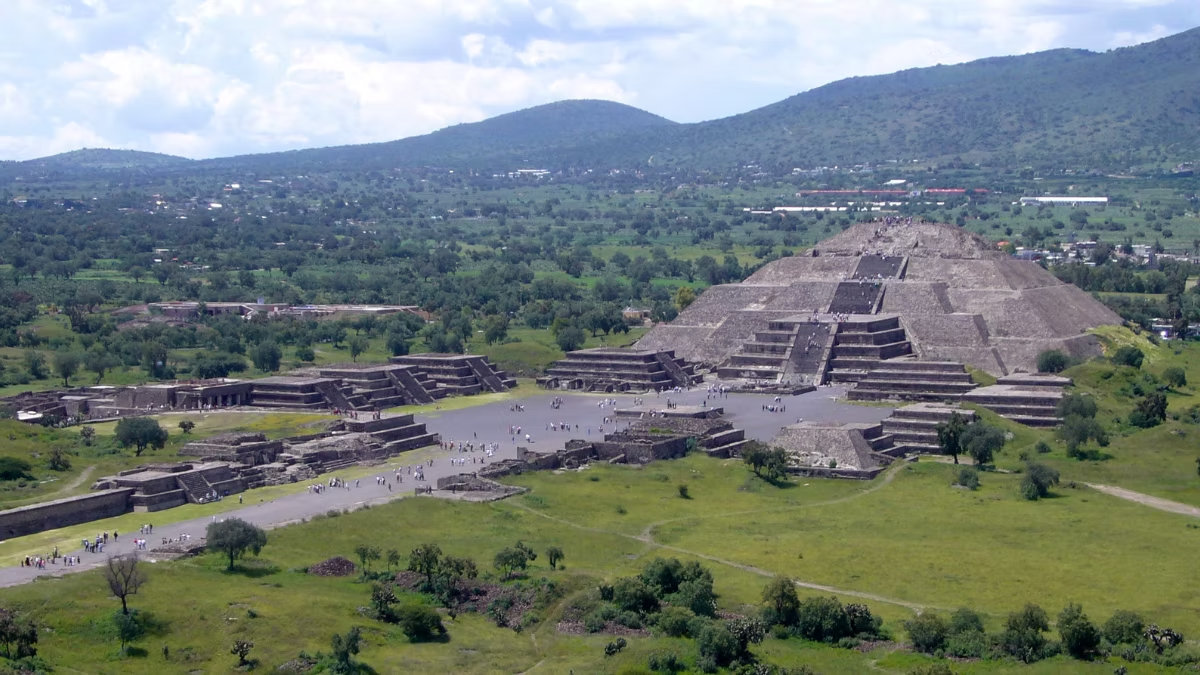
What to See at Teotihuacan Pyramids
The must-see attractions and top highlights at Teotihuacan Pyramids — from the iconic Pyramid of the Sun and Pyramid of the Moon to the mystical Avenue of the Dead and sacred Temple of Quetzalcoatl. Discover what makes this ancient pre-Columbian city a UNESCO World Heritage destination.
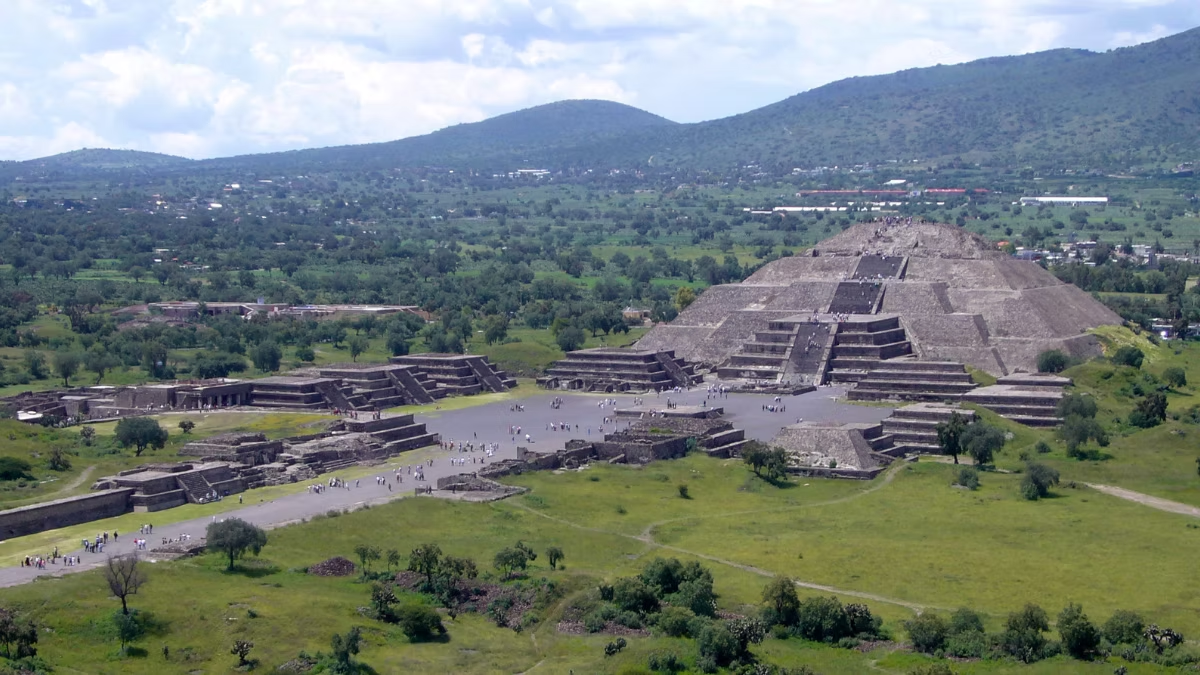
Top Highlights at Teotihuacan Pyramids
The headline sights and experiences most visitors want to see first.
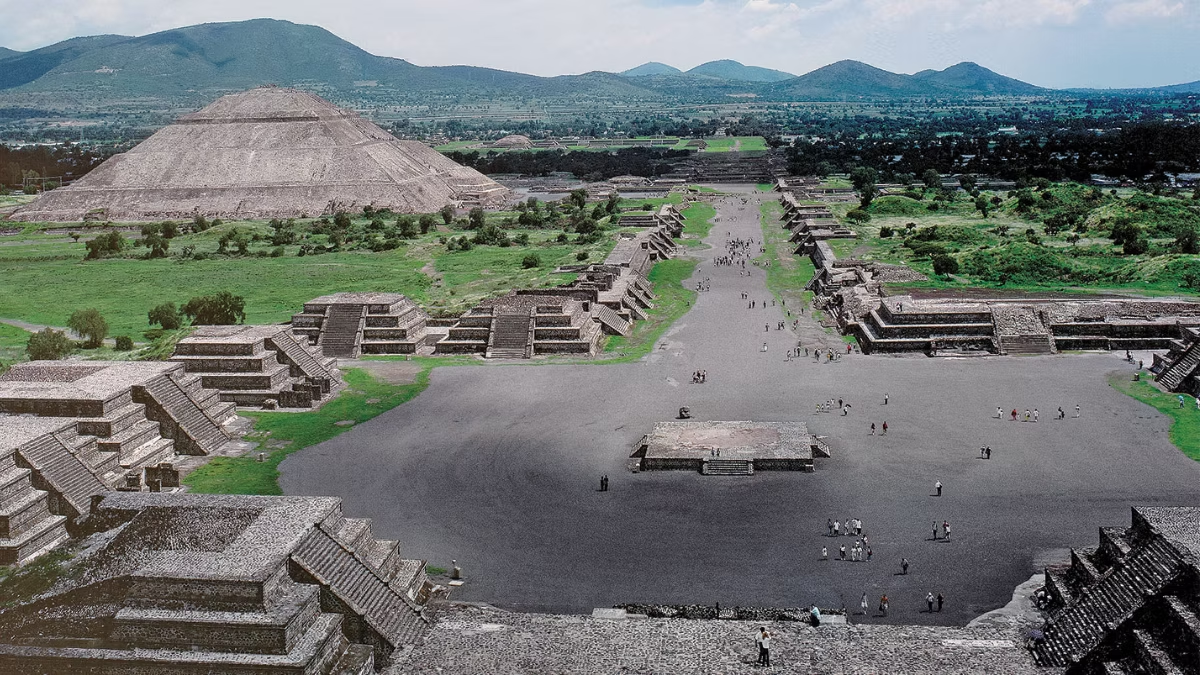
Avenue of the Dead
A 2.4-kilometre ceremonial boulevard connecting Teotihuacan’s major monuments from the Ciudadela to the Pyramid of the Moon, with the Pyramid of the Sun rising along its eastern flank. Walk this ancient axis to grasp the full scale and urban planning of a city that once rivalled Rome in population.
Explore →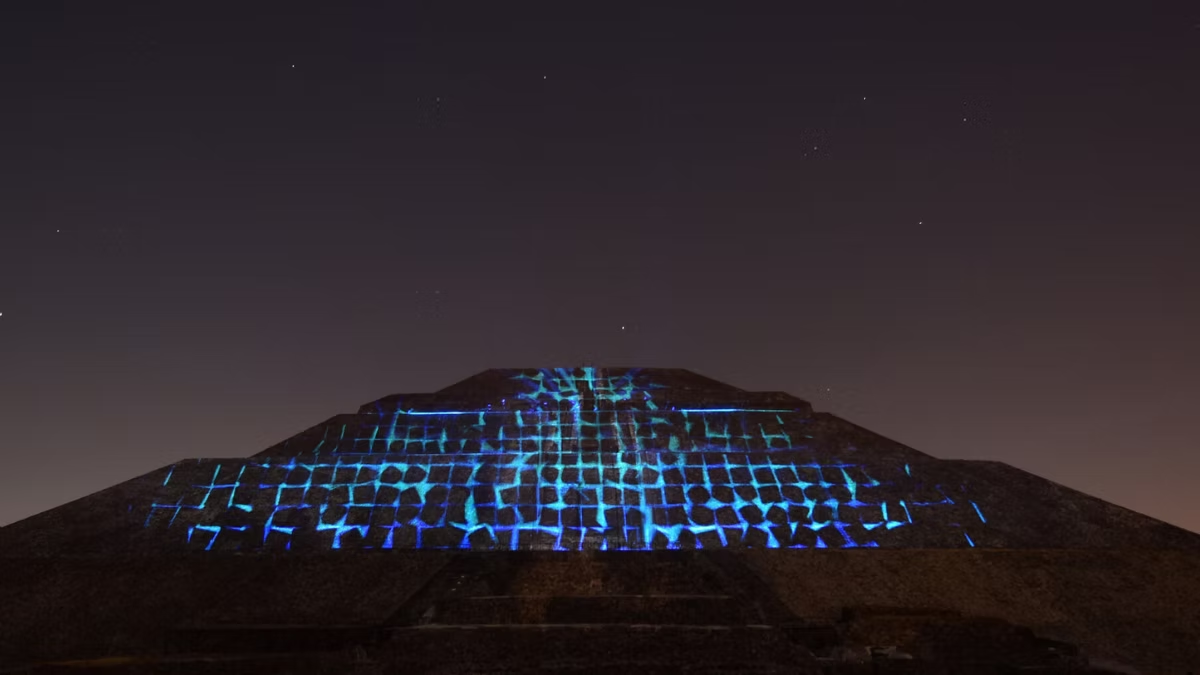
Night Tours at Teotihuacan
Discover night visits to Teotihuacan, from the Noche de Estrellas stargazing to light shows. See what’s available in 2026.
Explore →The Great Teotihuacan Pyramids
Explore the iconic Sun and Moon pyramids towering over the ancient city.
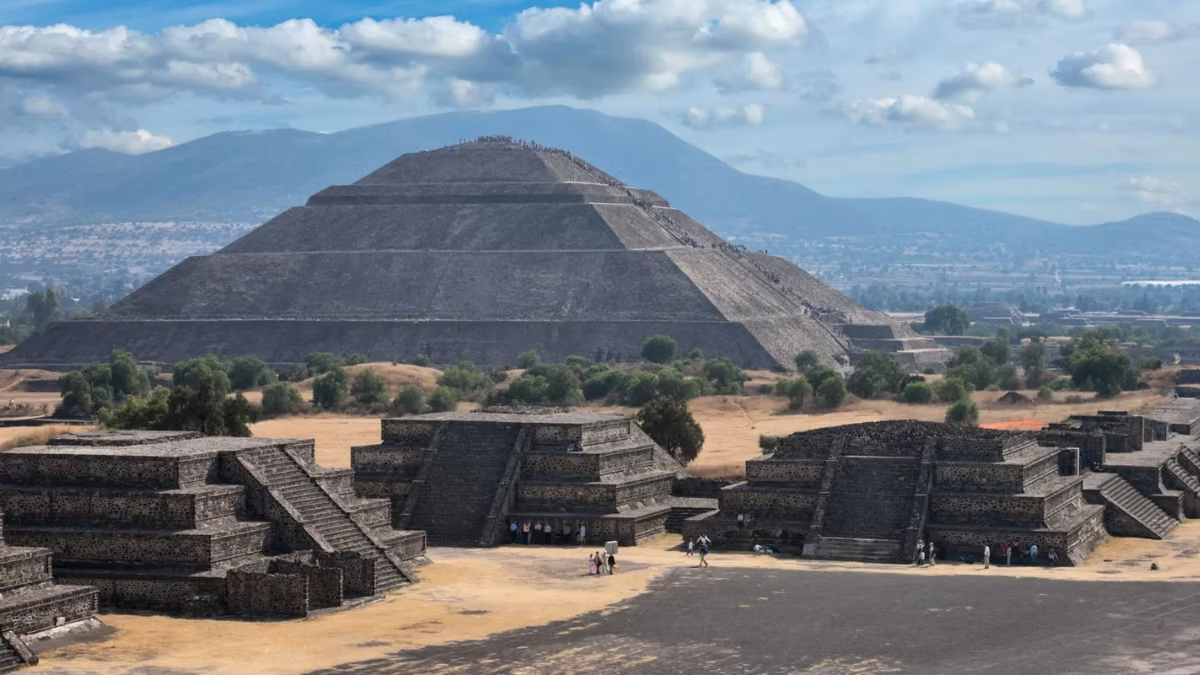
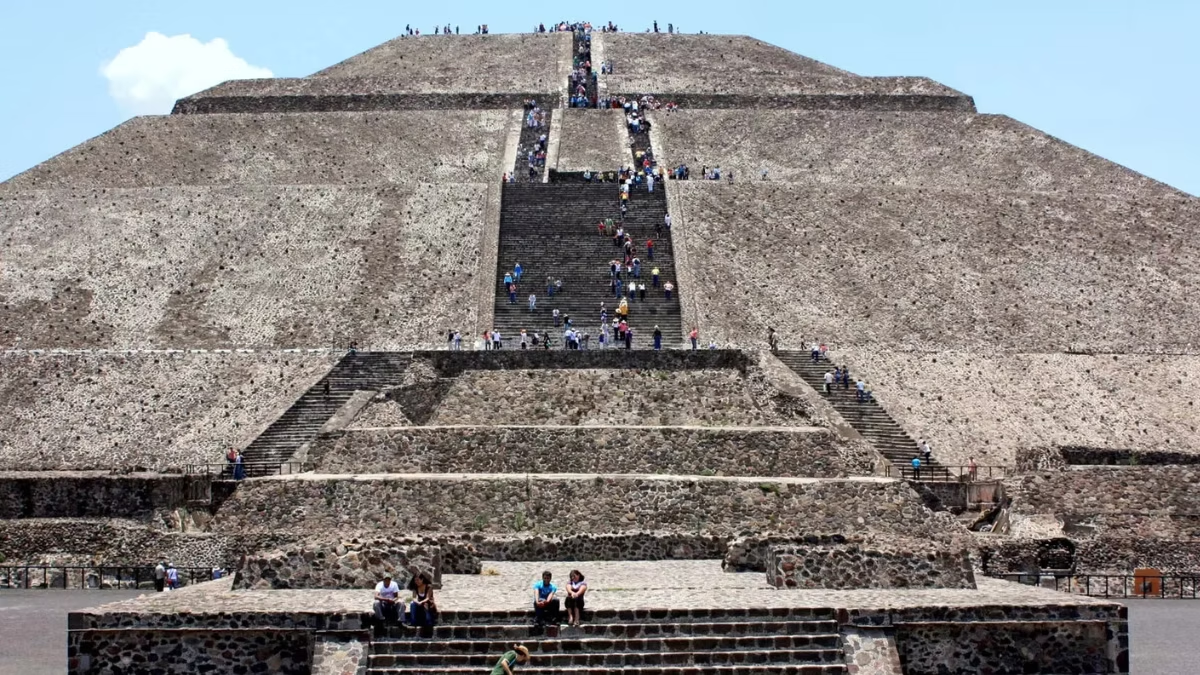
Pyramid of the Sun
Scale the 65-meter Pyramid of the Sun and discover what lies beneath it. Learn about its history and optimal visiting times.
Read guide →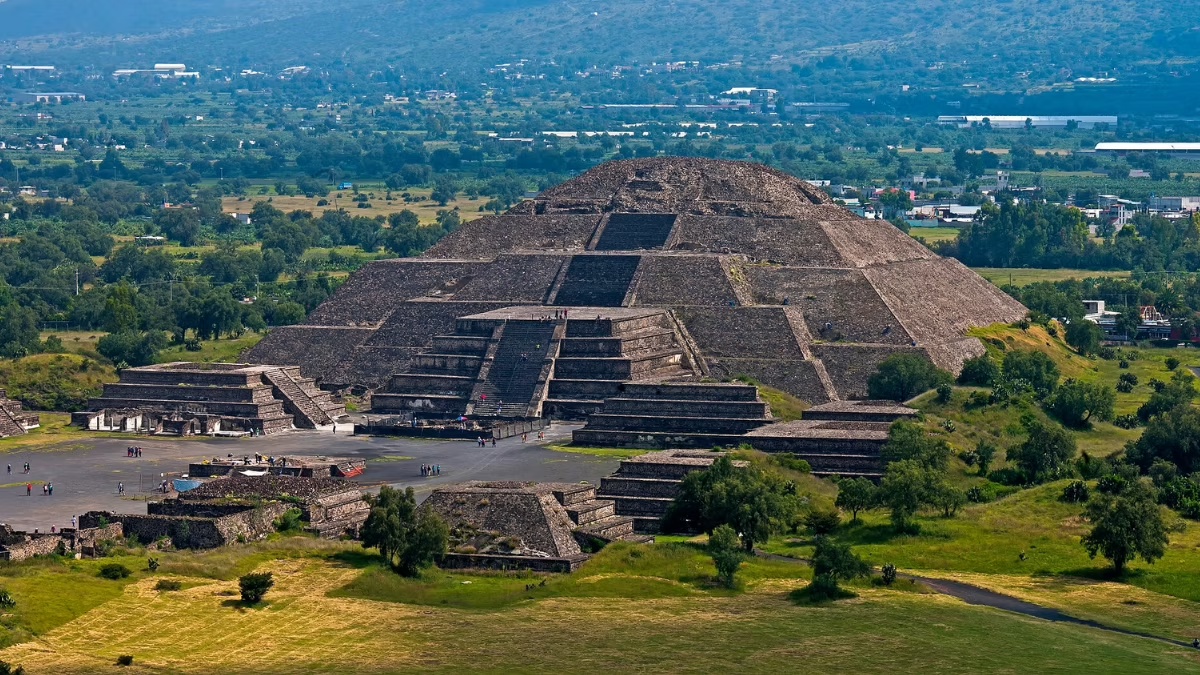
Pyramid of the Moon
Climb Teotihuacan’s second-largest pyramid and explore the ceremonial plaza at its base. Enjoy exceptional views from the summit.
Read guide →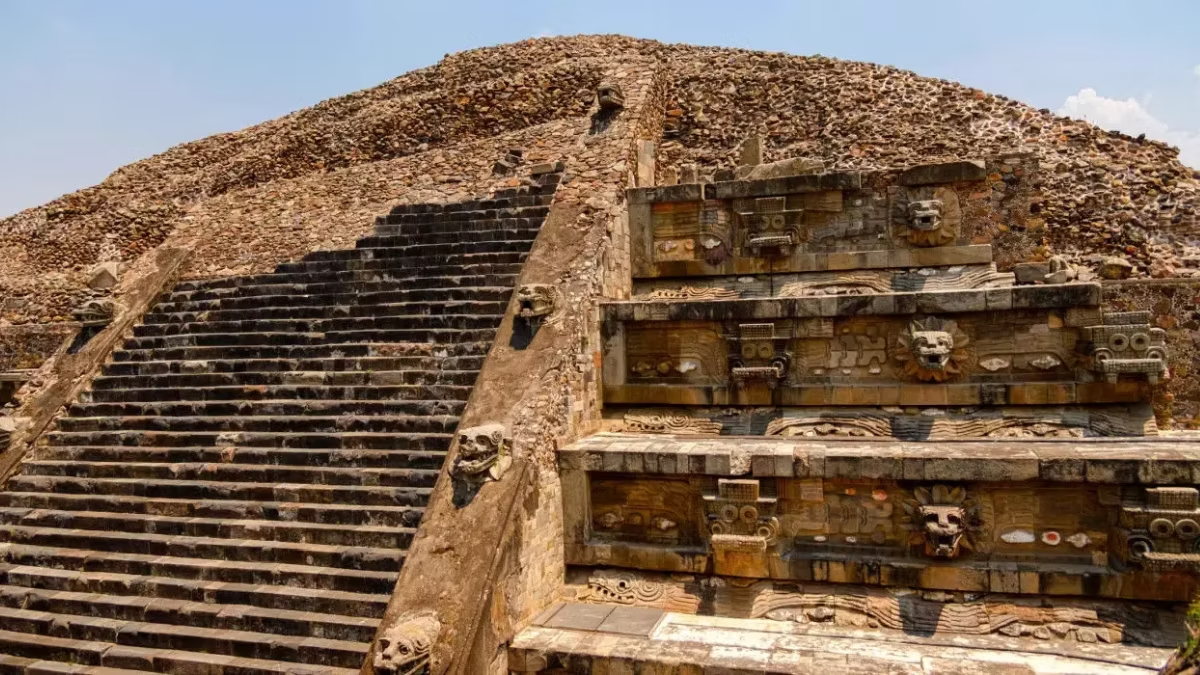
Temple of Quetzalcóatl
See the elaborate feathered serpent carvings and explore the tunnel running beneath the pyramid. Understand this temple’s ceremonial importance.
Read guide →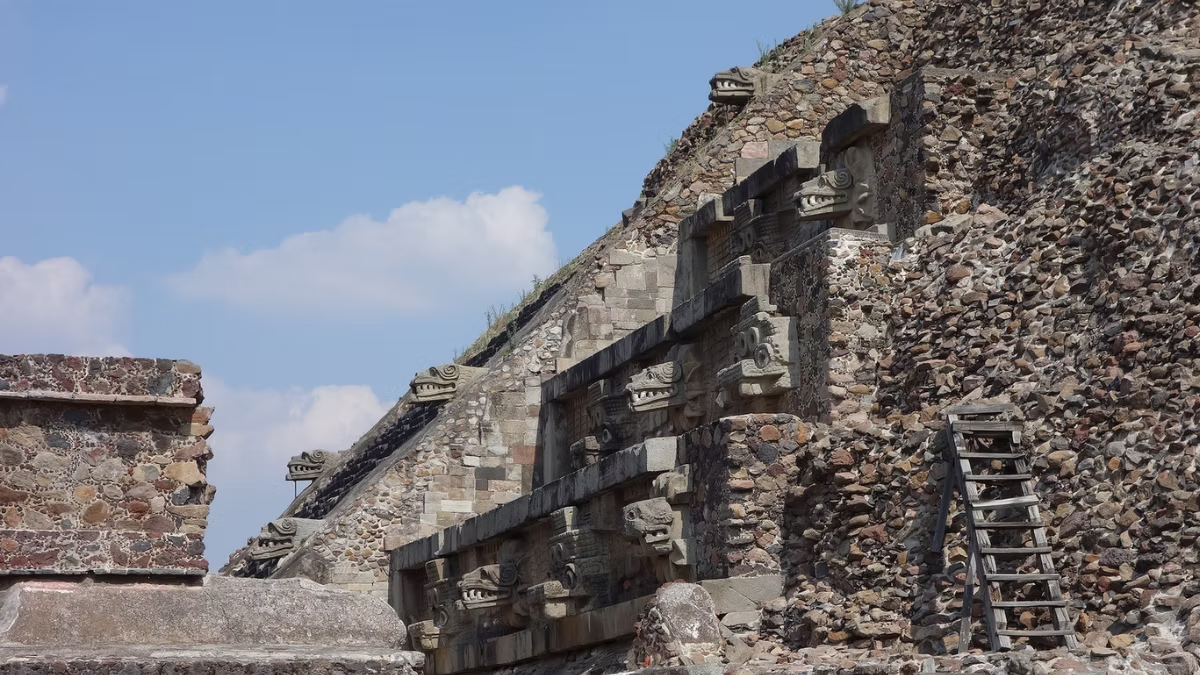
Inside Teotihuacan Pyramids
Explore the tunnels, caves, and hidden chambers beneath the Pyramids of the Sun and Moon. Discover what archaeologists have found inside Teotihuacan’s most iconic structures.
Read guide →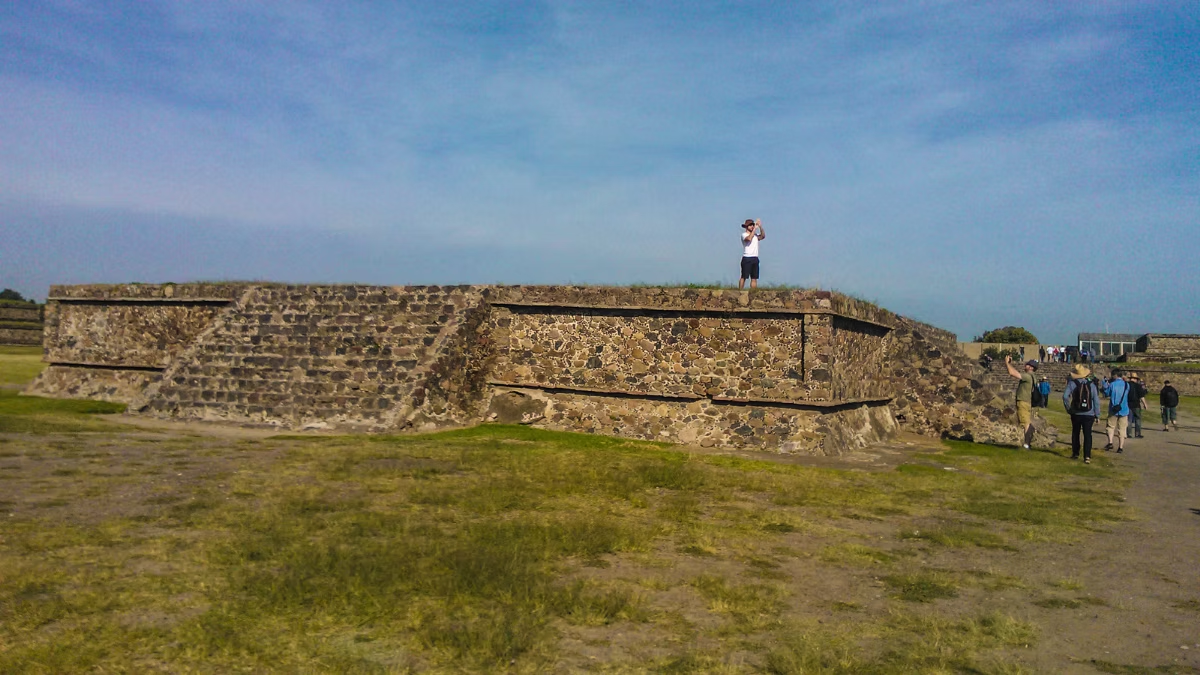
La Ciudadela & Quetzalcóatl
Explore the vast Citadel compound and its central Temple of Quetzalcóatl. Learn why this complex is more significant than it appears.
Read guide →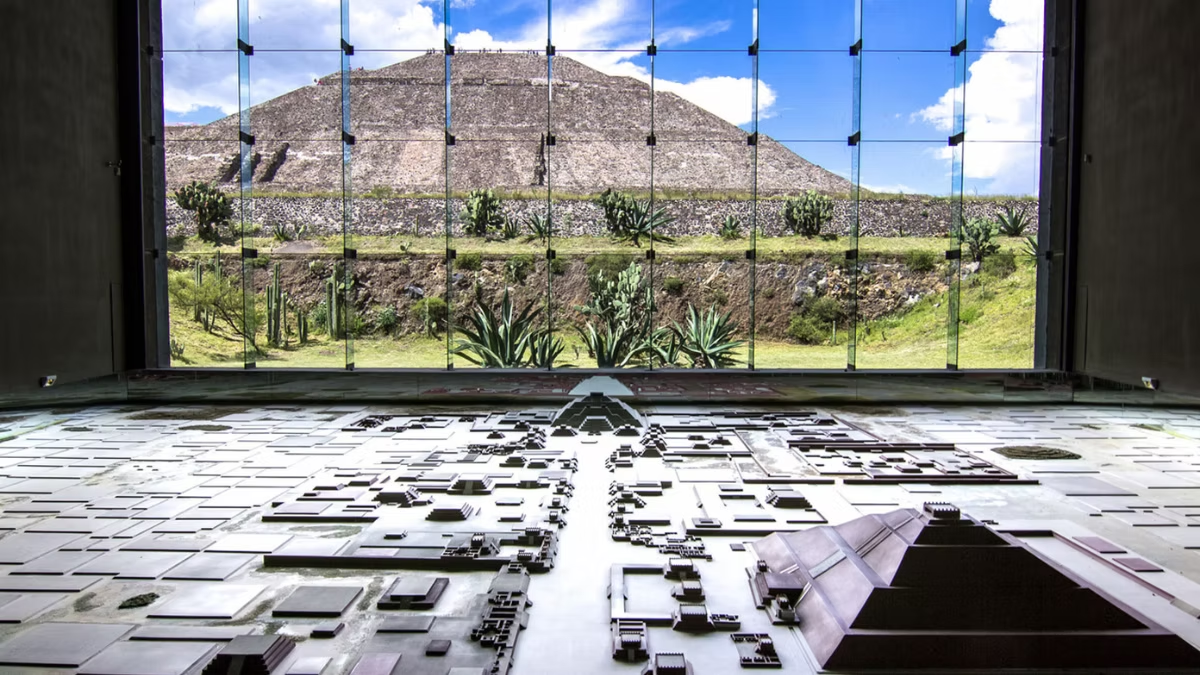
Teotihuacan Museums & Murals
Visit the site museum and discover preserved murals at four locations including the Paradise of Tlaloc. See ancient art in its context.
Read guide →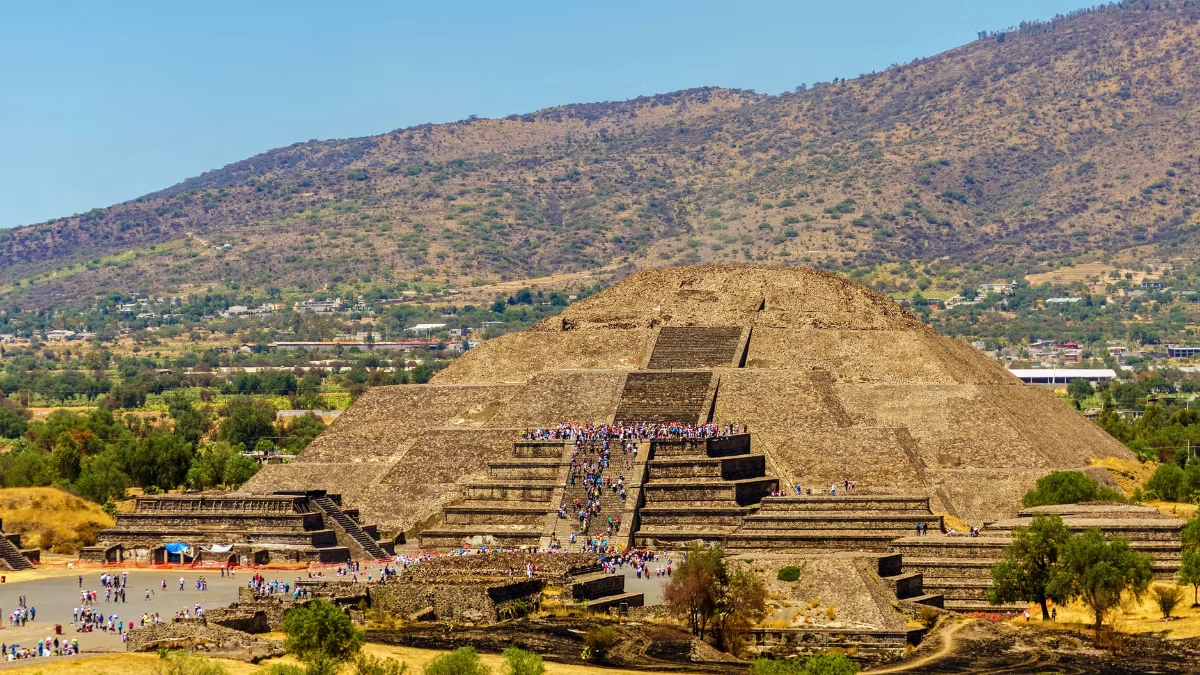
Teotihuacan History & Civilization
Teotihuacan was the largest city in pre-Columbian Americas. This article traces its mysterious origins around 100 BC, peak power, and sudden collapse around 550 AD. Learn what archaeology has revealed and what secrets remain.
Read guide →How to Choose What to See at Teotihuacan Pyramids
A quick guide based on your interests and visit style.
If You Only Have 2 Hours
Focus on the two iconic pyramids and the avenue that connects them.
- Climb the Pyramid of the Sun first — it’s the centerpiece and takes 30–40 minutes
- Walk the Avenue of the Dead north toward the Moon Pyramid
- End at the Pyramid of the Moon plaza for the best panoramic photo of the entire site
For Architecture Lovers
Teotihuacan’s builders engineered talud-tablero facades, hidden tunnels, and a city grid aligned to the stars — all without metal tools or the wheel.
- Study the feathered serpent carvings at the Temple of Quetzalcóatl — the most ornate stonework on site
- Explore the chambers and tunnels beneath the pyramids, including the 100-meter tunnel under the Feathered Serpent
- Walk La Ciudadela to see how a 400-meter walled compound was designed for mass ritual gatherings
- Visit the site museum for scale models showing original painted facades and construction phases
Visiting With Kids
Turn the ruins into an adventure with hands-on exploration and stories that hold young attention.
- Climb the Pyramid of the Sun — kids love the physical challenge and the view from the top
- Tell them about the secret tunnels and caves hidden beneath the pyramids — real-life buried treasure
- Spot the carved serpent heads at the Temple of Quetzalcóatl — over 360 of them stare back at you
- Keep the Avenue of the Dead walk short by starting from the museum entrance near the Citadel
After Dark
Teotihuacan at night is a completely different experience — projections, stargazing, and no crowds.
- Book a night tour for light-and-sound shows projected onto the pyramids
- The Noche de Estrellas stargazing events use the same dark skies the Teotihuacanos once charted
- Walk the Avenue of the Dead illuminated — the scale of the city hits differently without daytime crowds
Continue Exploring Teotihuacan Pyramids
Book your tickets and plan the practical details of your visit.
Tickets & Tours
Compare entry tickets, guided group tours, private tours, sunrise visits, and combo packages.
Browse all tickets →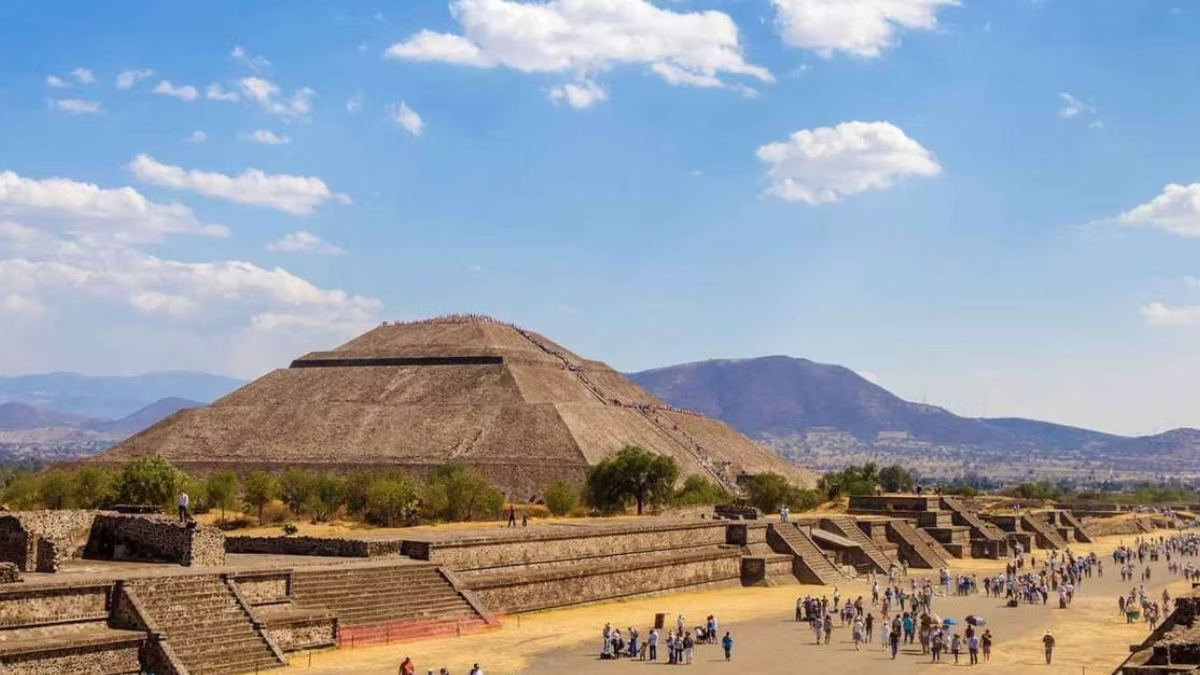
Plan Your Visit
How to get there, opening hours, best times to visit, what to bring, and practical visitor information.
Explore planning guides →Frequently Asked Questions
Common questions about what to see and prioritise.