
Restaurants & Food Near the Site
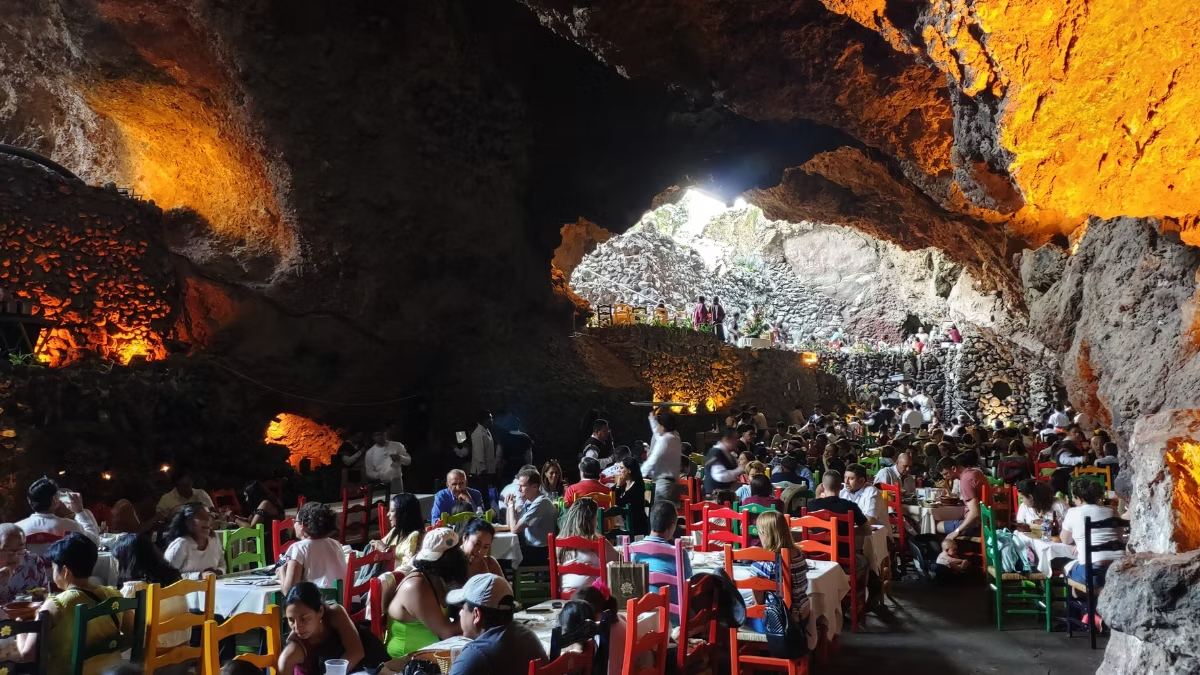
The most famous restaurant near Teotihuacan is La Gruta — a traditional Mexican restaurant built inside a natural lava tunnel a short walk from Gate 5. Beyond La Gruta, there are several good local restaurants near the main parking areas and along the highway approaching the site. Street food vendors operate near most gates. Avoid the large tourist buffet restaurants that line the main access road — they are expensive and the food quality does not justify the premium.
Eating well near Teotihuacan is easy if you know where to go. The area around the archaeological zone has everything from one of Mexico’s most atmospheric dining experiences to perfectly solid local fondas serving traditional Mexican food at honest prices. The challenge is navigating past the tourist-trap buffet restaurants that target visitors who do not know their options.
This guide covers every realistic food option near the site — from a full sit-down lunch at La Gruta to a quick torta from a street vendor before entering the gates.
La Gruta — The Cave Restaurant
La Gruta is a traditional Mexican restaurant built inside a natural volcanic lava tunnel located a short walk from Gate 5 of the Teotihuacan Archaeological Zone. It has operated since 1964 and is one of the most atmospheric dining experiences in Mexico. The cave maintains a naturally cool temperature year-round and seats several hundred diners in chambers lit by candles and lanterns.
La Gruta is not a tourist gimmick — it is a genuine institution with 60+ years of continuous operation and a kitchen that takes Mexican cuisine seriously. The menu centres on traditional dishes: mole negro, mole rojo, enchiladas, grilled meats (arrachera, pollo a las brasas), tamales, soups, and regional specialities from the State of Mexico.
Practical details: – Location: Carretera México–Pirámides Km 0.5, near Gate 5 of the archaeological zone. Approximately a 10-minute walk from the Pyramid of the Sun. – Hours: Open daily for lunch, approximately 10:00 AM – 6:00 PM. Hours can vary — arrive before 2:00 PM for the best experience. – Budget: MXN 350–600 per person for a main course, drinks, and dessert (approximately $20–35 USD). La Gruta is not cheap by local standards. – Reservations: Recommended for weekend visits, particularly from 12:00–2:00 PM when it fills quickly. Walk-ins are accepted but may face a wait on busy days. – Ambience: The underground cave setting — naturally cool, candlelit, with pre-Hispanic art on the walls — is genuinely extraordinary. The cave extends approximately 35 metres below ground and widens into several dining chambers.
Warning about imitators: Several restaurants near Teotihuacan present themselves as cave dining experiences or use the La Gruta name loosely. The original La Gruta is the one at Km 0.5 on the Carretera México–Pirámides. Verify the address before sitting down.
For visitors who want to combine a guided pyramid tour with a La Gruta lunch, see our Teotihuacan Pyramids Tour with La Gruta Restaurant guide.
Restaurants Near Gate 1 (Main Entrance)
Gate 1 is the main entrance and has the highest concentration of food options — ranging from decent to overpriced. The parking area near Gate 1 has several restaurants and food stalls.
What you will find: Traditional Mexican lunch restaurants serving comida corrida (set lunch menus), grilled meat stalls, antojito vendors (tacos, quesadillas, tlayudas), and juice stands.
Comida corrida — the traditional Mexican set lunch — is the best value option at most local restaurants near the site. For MXN 80–120 per person, you typically get a soup, a main dish, a side, and a drink. Ask for the menú del día when you arrive.
Avoid: The large buffet restaurants on the main road approaching Gate 1. These are designed for tour groups and priced significantly above what the food quality justifies. Most tour operators who bring groups to these restaurants earn commission — one of the reasons the VIP tour explicitly avoids them.
Restaurants Near Gate 3 (Pyramid of the Sun Area)
The Gate 3 area has a smaller selection of restaurants than Gate 1 but tends to be less crowded and slightly more authentic in its orientation toward local rather than tourist customers.
Best options: Look for small fondas (family-run lunch restaurants) on the side streets off the main access road. These serve straightforward Mexican food — soups, rice, beans, grilled meats, enchiladas — at local prices. A full lunch with a drink costs MXN 80–150 per person.
Street food near Gate 3: Corn on the cob (elotes and esquites) vendors operate near the gate entrance, along with tacos de canasta (basket tacos) and fresh fruit with chilli and lime. Quick, cheap, and genuinely good.
Restaurants Near Gate 5 (La Gruta Area)
Gate 5 is the quietest of the main gates and the closest to La Gruta. Beyond La Gruta, there are a handful of smaller local restaurants in the immediate area that offer good-quality food at lower prices.
For a budget alternative to La Gruta: Several fondas within a 5-minute walk of Gate 5 serve traditional Mexican food at MXN 80–120 per person for a full meal. These are used primarily by site workers and local families rather than international tourists — which is usually a reliable indicator of food quality and value.
Eating Inside the Archaeological Zone
There are no sit-down restaurants inside the archaeological zone itself. Vendors operate at several points along the main route selling:
- Bottled water and soft drinks (at a premium above outside prices)
- Packaged snacks
- Ice cream and paletas (Mexican ice lollies)
- Fresh fruit with chilli and lime
Do not plan to eat a full meal inside the site. The vendor selection is limited and prices are higher than outside. Bring snacks and water from outside the gates. For a full packing guide, see our what to wear and bring guide.
What to Eat: Traditional Dishes to Try
If you are unfamiliar with the regional cuisine of central Mexico, here is what to look for on menus near Teotihuacan:
Mole: The most iconic sauce of central Mexican cooking — a complex preparation involving chillies, chocolate, seeds, and spices. Mole negro (black mole) and mole rojo (red mole) are both common in this region. La Gruta’s mole is among the better versions available near the site.
Barbacoa: Slow-cooked lamb or beef, traditionally prepared underground in maguey leaves. Found at weekend markets near San Juan Teotihuacan town and at some local restaurants. Available primarily on Saturdays and Sundays.
Tlayudas and memelas: Large flat masa bases topped with beans, cheese, and various toppings. A substantial and inexpensive snack or light meal available from street vendors.
Pulque: The fermented drink of the gods — made from the sap of the maguey plant, which is cultivated extensively in the Teotihuacan Valley. Pulque has a slightly sour, tangy taste and a milky appearance. It is traditionally drunk fresh and is available at pulquerías near the site and at many restaurants. A cultural experience worth trying at least once.
Nopal: Cactus paddle, prepared in multiple ways — grilled, in salads, or as tacos. Common in the State of Mexico and found at local restaurants near the site.
What to Avoid
Large tourist buffet restaurants on the main access road: Overpriced, quality inconsistent, and oriented toward tour group commissions rather than good food. Skip them.
Restaurants that approach you aggressively near the gates: Legitimate restaurants do not need to tout for business at the car park entrance. If someone is actively steering you toward a particular establishment, walk past.
Eating a heavy meal mid-morning before visiting in hot weather: Save the full lunch for after the site visit. Eating heavily then walking 5–7 km in the sun at altitude is a reliable way to feel terrible mid-visit.
Tips for Tour Visitors
If you are on a guided tour, check whether lunch is included before assuming it is. Many standard tours include an optional lunch stop — meaning you pay separately at the restaurant — rather than a fully included meal. The cave breakfast tour and the Guadalupe Shrine combo tour are the formats where meals are most reliably included in the base price.
If your tour includes a lunch stop that is not at La Gruta or a restaurant you recognise, it is worth asking your guide where exactly you are going. The best-run tours take groups to good-quality local restaurants; the ones that earn commission take groups to overpriced tourist buffets.
Frequently Asked Questions
Is La Gruta worth the price?
For the setting alone, most visitors say yes. Eating inside a candlelit volcanic cave after a morning at the pyramids is a genuinely memorable experience, and the food quality at La Gruta is consistently good. If the budget is a concern, the cave atmosphere is the main draw — order a main dish and a drink rather than a full multi-course meal.
Can I visit La Gruta without a tour?
Yes. La Gruta accepts walk-in and reservation diners independently. Walk south from Gate 5 along the main road for approximately 10 minutes. Reservations are recommended for peak lunch service on weekends.
Is there vegetarian food near Teotihuacan?
Yes. Mexican cuisine has strong vegetarian traditions — quesadillas, tlayudas, bean soups, nopal dishes, enchiladas with cheese, and many antojito options are vegetarian. At La Gruta and most local restaurants, vegetarian dishes are available. Alert your server to your requirements when ordering.
How much should I budget for food near Teotihuacan?
Street snacks and vendor food: MXN 30–80. Local fonda comida corrida: MXN 80–150. Mid-range local restaurant: MXN 150–300. La Gruta: MXN 350–600 per person. Budget MXN 150–200 per person for a satisfying local lunch if you are not visiting La Gruta.
Are there options for early morning visitors?
Food options near the site are limited before 9:00 AM. If you are arriving at the 8:00 AM opening — particularly on an early access tour — eat breakfast in Mexico City before departure. Some tour formats include breakfast as part of the experience; the cave breakfast tour begins with a full traditional Mexican breakfast inside an underground cave before entering the archaeological zone.
What is pulque and should I try it?
Pulque is a traditional fermented drink made from the sap of the maguey plant — one of the most culturally significant plants in the Teotihuacan Valley throughout ancient and modern history. It tastes mildly sour and has a slightly viscous texture. It is mildly alcoholic and is found at pulquerías near the site. Worth trying as a cultural experience — approach it as you would any fermented regional speciality.
